Post It Before the Panic: A Beginner's Countdown to Handmade Gifts That Land on Time
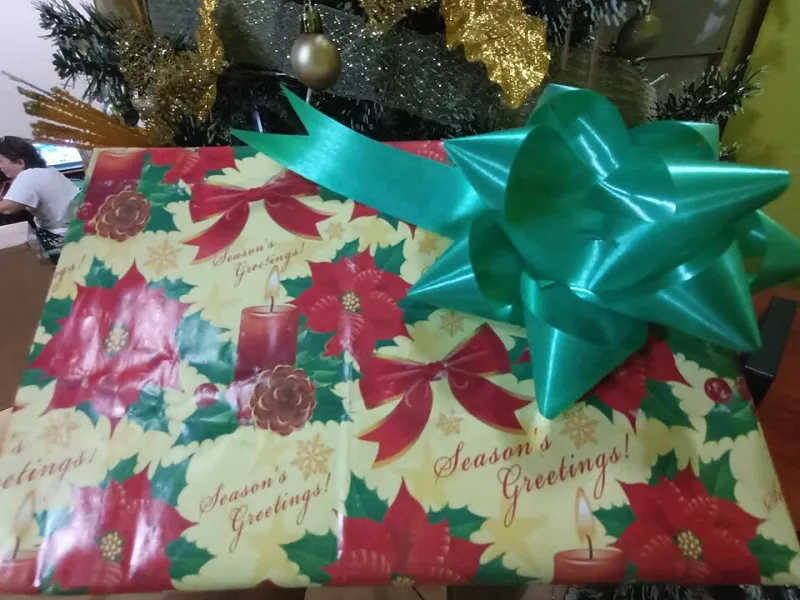
Photo: Bim24, CC0, via Wikimedia Commons
There are two kinds of handmade gifters in December. The first posts a neatly wrapped parcel in the second week and gets a thank-you text on the 20th. The second is standing in a Post Office queue on 23 December holding a shoebox that smells faintly of wet varnish.
This article is an attempt to make sure you are the first kind. It is 11 November. That is six weeks, which is plenty — but only if you treat the posting date as the deadline, not the wrapping date.
The bit everyone skips: your deadline isn't Christmas
Every year Royal Mail publishes a set of last posting dates for Christmas, and every year a chunk of us ignore them until the queue snakes out of the door. The pattern for 2026 is expected to follow the usual shape: international surface mail goes first, airmail to Europe follows in early December, then UK second class around the 18th, first class around the 21st, with Special Delivery running right up to the 23rd.
Treat those as approximate. Dates shift, bank holidays interfere, and your local Post Office will always know better than a blog post. Check royalmail.com or ask at the counter before you commit.
Then add the thing the leaflet can't tell you: handmade gifts need drying time. A clay keyring needs baking and cooling. A painted box needs a clear coat and 24 hours. A lavender bag needs five minutes, but the card you wrote needs to not be damp when it goes in the envelope. So your real deadline sits several days before the postbox one.
Working backwards, week by week
- This week (11–15 Nov): write the actual list. Not 'something for Mum' — the actual object, the actual recipient. Buy supplies in one trip, including packing materials. Anything ordered online needs to arrive by 20 November or it isn't happening.
- 16–22 Nov: start the slow projects. Anything involving paint, varnish, clay or glue gets made now so it can sit and cure without you hovering over it.
- 23–29 Nov: batch the quick makes. Ten felt ornaments take about the same setup time as two.
- 30 Nov–6 Dec: finish, photograph, label. Photograph everything before it goes in a box — you will want the pictures, and it doubles as proof of posting.
- 7–13 Dec: pack properly, weigh everything, and buy the right postage online if you can face it.
- 14–18 Dec: post. Aim for second class on the 15th or 16th and give yourself slack.
- 19–23 Dec: this is your buffer. If you are still making things now, switch to hand delivery or a digital gift.
Sort your projects by three clocks
Not all crafts cost the same time. Judge each project on making time, drying time and postability, and be ruthless about the third one.
Postability covers weight, bulk and fragility. Royal Mail's large letter size — roughly 35cm by 25cm by 2.5cm thick, up to 750g — is your friend. Anything flat, light and bendy-in-a-good-way travels cheaply and arrives intact. Anything chunky, glass, or shaped like a mug becomes a small parcel and needs padding.
Five makes that survive the journey
1. Stitched cotton tea towels. About two hours each once you've practised the stitch, no drying time, and they fold flat into a large letter. Use a simple backstitch or a running stitch in a contrast thread. Wash and iron before stitching, and iron again before posting — creases read as 'unfinished'.
2. Oven-bake clay keyrings and magnets. An hour to shape, 30 minutes in the oven, then let them cool completely before varnishing. Lightweight, oddly addictive, and forgiving of wobbly edges. Skip anything with thin protruding details; they snap in transit.
3. Felt hanging ornaments. Around 45 minutes each with a blanket stitch round the edge and a ribbon loop. Flat, light, unbreakable. Batch them: cut all the shapes first, then stitch in one sitting.
4. Lavender sachets. Half an hour each, no drying, and they smell wonderful through the packaging. Use dried lavender rather than fresh, and seal the inner bag well — loose lavender in a parcel is a mess nobody enjoys.
5. A folded mini-zine. Eight pages from one sheet of A4, printed or hand-drawn, themed around something the recipient loves: a short recipe collection, a walking route, a playlist with notes. Fifteen minutes to fold, flat to post, and the sort of thing people keep.
What all five have in common is that none of them need to be posted in a box the size of a shoebox, and none of them will arrive cracked.
Packing like you mean it
Wrap first, then pad, then box. If a parcel rattles when you shake it gently, it needs more padding — scrunched newspaper is fine, bubble wrap is better for anything rigid. Keep the box snug; a small gift loose in a big box is how corners get crushed.
Write the address clearly and put a return address on the back. Take a photo of the finished parcel and keep the receipt, especially for anything valuable. And avoid loose glitter, loose dried flowers or anything scented with oil near paper — it will arrive looking like a craft explosion.
When to admit defeat (gracefully)
Somewhere around 18 December, look at what's left on your list and be honest. If it isn't made, dried and packed by then, it is not going second class.
Your options are reasonable ones. Hand delivery works for anyone within an hour's drive — put it in a bag, not a box, and enjoy the fact that you get to see their face. A digital gift is not a cop-out: a PDF recipe booklet, a photo album, a playlist with a handwritten note scanned in, a voucher for a shared afternoon of making something together. A promise card — a nicely made card saying 'your real present is drying on my windowsill, arriving in January' — is honest, and people genuinely don't mind.
A gift that turns up on 4 January is still a gift. A gift that turns up in a squashed box with a smashed corner, having cost you £8 in postage and a mild breakdown, is less fun for everyone.
What to do this weekend
Make the list, buy the supplies, and start the thing with the longest drying time. Then put the posting dates in your phone calendar with an alarm a week before each one. Six weeks is enough time to be generous and unhurried — but only if the ledger starts today.