The Pairing Principle: Batch Your Makes, Double Your Gifts
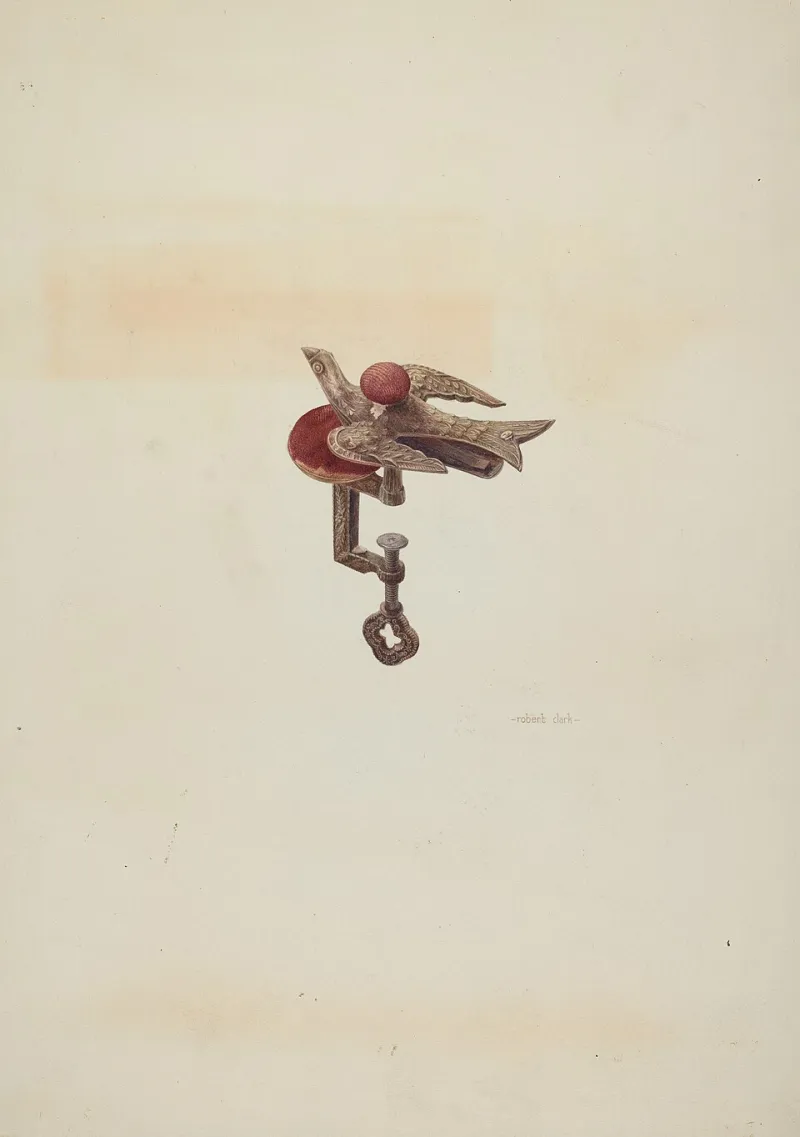
Photo: Robert Clark, CC0, via Wikimedia Commons
There's a particular kind of stuckness that comes from making a single gift. You've spent an hour on it, you're proud of it, and suddenly you can't imagine handing it over. It's too nice. It's too wonky. It's yours. The pairing principle solves this quietly: make two of the same thing, side by side, in one session. One to give, one to keep — or two to give, if you're feeling generous. Either way, the pressure drops and the practice doubles.
Why two beats one
Making a single item puts all your hopes on one object. Every wobble feels like a flaw because there's no comparison. Make a pair and something shifts. The first one is the warm-up; the second is the real thing. You stop treating the make as precious and start treating it as practice. And because you're already set up — scissors out, iron hot, paint mixed — the second one takes a fraction of the time.
There's a practical angle too. Buying materials for two often costs barely more than buying for one. A fat quarter bundle yields two pouches. A metre of cotton makes two beeswax wrap sets. A pair of charity-shop wooden dishes costs less than a single new one. You waste less, you learn more, and you end the afternoon with a gift already sorted for the next birthday that appears in the group chat.
Three beginner projects to batch
1. A simple fabric pouch
You'll need two fat quarters (or four rectangles of cotton), matching thread, and a popper, button or length of ribbon for the closure. Cut four rectangles — two for each pouch — rather than cutting one pair and then starting again. Sew them assembly-line style: press all the seams, sew both pouches' side seams, then both tops. The first pouch teaches you where the corners fight back; the second one sails through. Keep the wobbly one for yourself — it's proof you turned up.
2. A beeswax wrap set
Beeswax wraps are one of those makes that look impressive but take about twenty minutes once you're set up. You'll need cotton squares (roughly 20cm and 30cm), beeswax pellets, baking paper and an iron. Cut double the number of squares you want, then grate or sprinkle wax over each one and iron between sheets of baking paper. Make two sets of three wraps: one for your kitchen, one tied with string as a gift. The second set will have a more even wax coating because you've learned how much is too much.
3. A painted wooden trinket dish
Pick up two small wooden bowls or shallow dishes — charity shops are gold for this, and Hobbycraft sells plain ones cheaply. Sand them lightly, wipe off the dust, then paint both at once. Acrylic paint is fine; seal with a water-based varnish when dry. Paint the first dish in a safe colour, then be braver with the second: a pattern, a contrast rim, a little gold. One lives by the front door for keys, the other goes to a friend who never knows where her earrings are. Batching means you're not waiting for coats to dry between one dish and the next.
The quiet benefits of doubling up
Set-up time halves. Getting the sewing machine out, finding the ironing board, covering the table — that's the faff. Once you're set up, the second make is almost free.
Materials stretch further. Cutting two pouches from one length of fabric often uses the offcuts better than cutting one. Same with wax wraps: a metre of cotton makes more squares than you think.
Your confidence gets a second go. The first make is a draft. The second is where you relax. Beginners often find the second version is the one they're happy to hand over — and the first is the one they love because it taught them something.
You solve the gift problem before it arrives. A pair of pouches, a stack of wax wraps, two little dishes: that's a small stash of presents ready for the next school fair, housewarming or unexpected birthday. No panic-buying, no late-night online orders.
A rainy-afternoon plan
Set aside two hours, not four. Put the kettle on, find a podcast or a film you've seen before, and work through one project at a time. Cut everything first, then sew or paint or iron. Don't rush the second one; that's the one you'll want to keep. And if the first one goes badly, remember: it's not a failure, it's the practice piece. The pairing principle gives you permission to make a wobbly one and a better one, and to keep whichever you like.
Keep one, give one — or keep both
There's no rule that says the second make has to leave the house. Sometimes the gift is the one you give, and sometimes the gift is the hour you spent learning. Either way, you've made something with your hands on a rainy afternoon, and you've got a present ready for someone you like. That's a good day's work.