Permission to Be Wobbly: Why 'Good Enough' Is the Craft Skill Worth Learning This Year

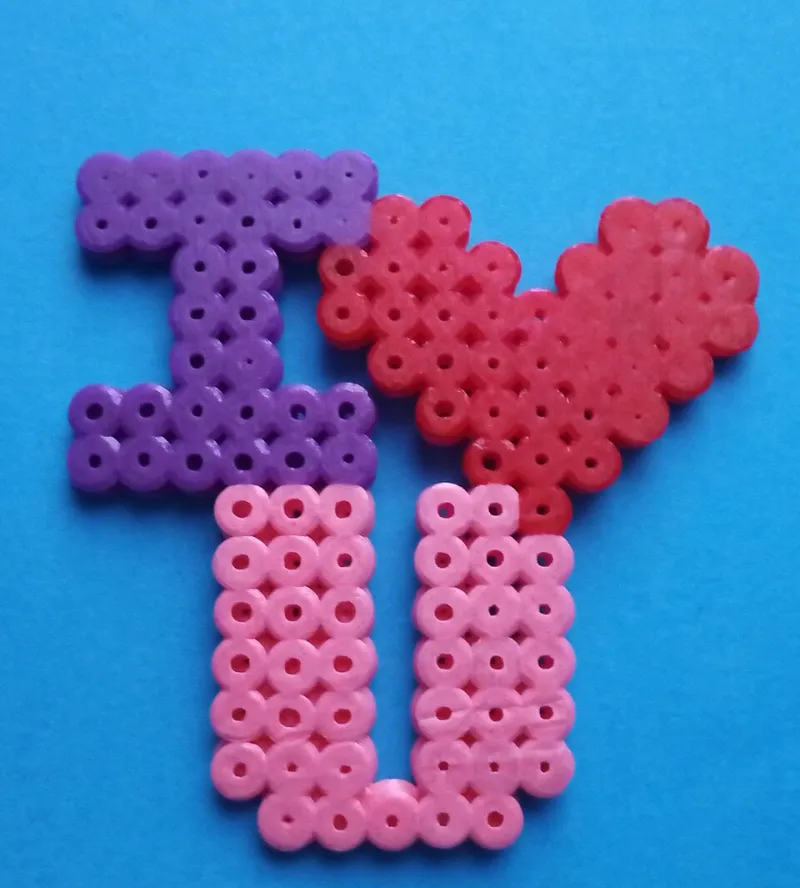
Photo: beginner knitter hands with slightly uneven stitches, cosy homemade craft in progress on kitchen table, via assets.simpleviewinc.com
I have a scarf in the bottom of my wardrobe that I finished in 2019. It has a hole in it. Not a stylish, intentional, visible-mending hole — an actual dropped stitch that I failed to notice for eleven rows and then panicked about and then knitted straight over. It is also, without question, the thing people ask to borrow most often.
I made it before I learned that the trick to craft is not doing it well. It is doing it at all.
The project that nearly stopped me making anything
Before the scarf there was a cushion cover. I unpicked the seams four times because the corners were not perfectly square, then put it in a drawer, then moved house with it twice, then eventually threw the half-finished pieces away. Four evenings of my life, gone, because a cushion was two millimetres off.
What I lost was not just the cushion. It was the confidence to start the next thing. Perfectionism is expensive in a way nobody puts in the budget: it costs you the fabric, the thread, and every project you never begin because you are still annoyed about the last one.
What 'good enough' actually means
Let me be clear, because this is where people misunderstand it. Good enough does not mean slapdash. It does not mean a wonky shelf that falls off the wall, or a hand-sewn gift that disintegrates in the wash. Structure matters. Safety matters. A bag strap needs to hold weight; a child's toy needs eyes that will not come loose.
What good enough means is: everything else is negotiable.
The seam that is slightly curved. The paint that has a brush mark in it. The embroidery where one leg of the little fox is visibly shorter than the other, which you will notice every single time and nobody else will notice ever.
A simple test I now apply to everything:
- Will anyone see it from a metre away? If not, let it go.
- Will it fall apart? If no, carry on.
- Will the person receiving it care about the wobbly bit, or about the fact that you made them something with your own hands? I think we all know the answer to that one.
Three questions to ask before you unpick anything
Before you reach for the seam ripper, ask yourself: is this a fault, or is it a preference? A preference can wait until next time. A fault has to be fixed now.
Then ask: would I notice this on someone else's work? Genuinely — would you? When was the last time you inspected a friend's knitting for tension consistency? Right.
And finally: how long will I be annoyed about this, compared with how long I will be pleased that it is finished? Usually the annoyance lasts twenty minutes and the finished thing lasts years.
The slow-craft movement is really a permission slip
Slow craft gets talked about as a trend, usually with a photo of someone mending a linen apron in a very tidy kitchen. But strip away the styling and it is a fairly old idea: making at a pace that a human being can actually sustain, and valuing the repair as much as the original.
The visible-mending side of it has been quietly liberating for a lot of beginners, because a visible mend is a wobble you have decided to decorate. A darned elbow in a contrasting thread is not a cover-up, it is a decision. Once you have publicly embraced one wonky thing, the rest of your work loosens up considerably.
There is also something to be said for the Great British Sewing Bee effect. We watch people construct a ballgown in four hours and quietly conclude that our own first attempt at an apron should look the same. It should not. Those contestants are being timed and filmed; you are supposed to be enjoying yourself.
Where the wobbly things end up
My nan knitted. Nothing she made was technically excellent — her tension wandered, her buttonholes gaped, one sleeve of a cardigan she made me was distinctly longer than the other. I wore that cardigan until it fell apart. I could not tell you what any shop-bought jumper I owned as a child looked like.
The same pattern shows up everywhere. The lopsided birthday cake gets photographed and the flawless one gets eaten without comment. The slightly crooked tea towel gets used every day. The handmade Christmas bauble with the lumpy edge gets a specific spot on the tree every single year, and it is always the first one out of the box.
Nobody treasures a thing because it was executed flawlessly. They treasure it because a person made it, and people are not flawless.
Permission slips to keep by your sewing machine
- Buy cheap practice fabric. Ten pounds of calico saves you fifty pounds of good wool and a lot of swearing.
- Set a twenty-minute timer. Start something small. Finishing is a muscle and small finishes build it.
- Finish before you start the next one. One unfinished basket at a time, ideally.
- Keep a wonky shelf. A physical shelf, or a photo album, of your first attempts. Look back at it in a year.
- Show the first version, not the fifth. It helps other beginners far more than your best work does.
- Say the phrase out loud. 'That is good enough and I am moving on.' It sounds ridiculous. It works.
Start this week
Pick the smallest project you can think of — a fabric scrappy coaster, a single paper star, one granny square — and finish it before you judge it. Do not unpick anything for the first fortnight. Then hand it to someone who loves you and watch what happens. They will not mention the wobbly bit. They will not even see it.
Perfect is a deadline you will never meet. Finished is something you can put on the wall this weekend, and that is a far better thing to be good at.