The Good Drawer Problem: Why Your Best Craft Supplies Need a Job, Not a Shrine
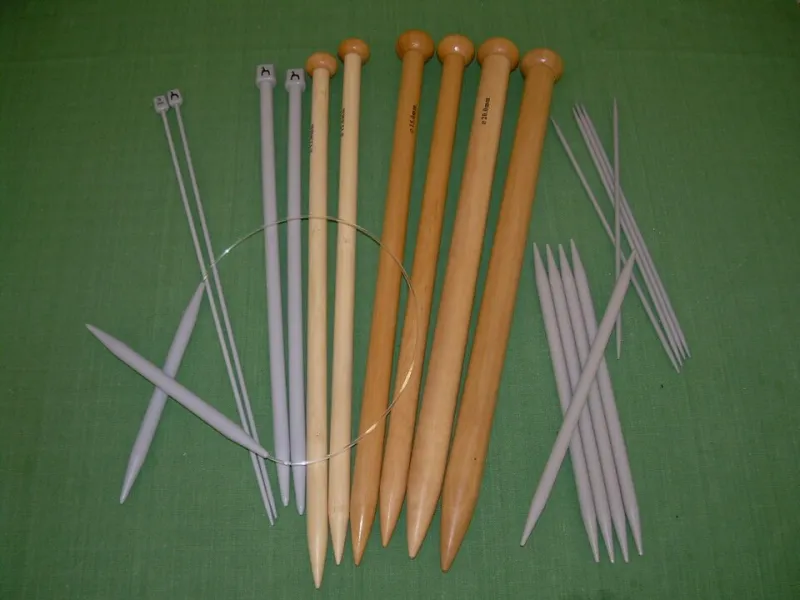
Photo: Danielle Keller (Danielle:dk), Public domain, via Wikimedia Commons
The drawer we all have
You know the one. It might be a lidded basket under the bed, a cake tin with a picture of a seaside town on it, or a paper bag at the back of the wardrobe. Inside is the good yarn. The one you bought because the colour made you stop in the shop doorway. Beside it, a fat quarter of fabric with a print you keep stroking instead of cutting, and a tiny envelope of buttons that were probably meant for a coat but have never been near a needle.
Most of us have a good drawer. It starts as a sensible idea — keep the nice things safe for a proper project — and slowly becomes a small museum of supplies that are too special to use. This is your reminder, delivered gently and with a cup of tea, that the good drawer is not keeping your supplies safe. It is keeping your craft habit stuck.
Saving for best is a habit, not a rule
There is something very British about saving things for best. The good china. The nice soap. The scarf that only comes out for weddings. We inherited the instinct honestly enough, but craft supplies are not ornaments. Wool can go brittle or attract moths. Fabric can fade along the fold. Elastic perishes, glue dries up and inspiration moves on to a different colour palette.
More importantly, the good stuff is not a reward for becoming a better maker. It is not a certificate you unlock after your tenth perfect project. It is just material. Lovely material, yes, but material all the same. Skill grows through contact, not conservation. A wobbly first cowl knitted in the fancy skein will teach you more about tension, patience and finishing than three years of admiring it through a plastic wallet.
The cost of waiting for perfect
The perfect project is a very good excuse. It has excellent manners and it never arrives. You wait until your stitches are neater, until you have the right pattern, until you know someone who truly deserves the good yarn. Meanwhile, the yarn sits there and quietly becomes a reminder of what you are not doing.
That is the real cost. Not the money you spent, although a £20 skein that lives in a bag for three years is not exactly a bargain. The cost is the low-level guilt every time you open the drawer. It is the way a lovely thing becomes a small burden. You do not need that in a hobby that is supposed to calm you down.
What happens when you actually use it
Use the good yarn on a Tuesday. Use the Liberty scrap for a lavender bag. Sew the horn buttons onto a simple pouch, even if the pouch is a bit wonky at the corners. The first time is always the hardest, because you are breaking a story you have told yourself about your own skill level.
But something shifts when the good supplies become ordinary. The skein becomes a cowl you wear on the walk to the shop. The fabric becomes a small gift that smells of lavender. The buttons stop being precious and start being useful. You realise that the pleasure was never in owning them. It was in the making.
And yes, a handmade gift made from better materials does feel different. Not because it is more expensive, but because the maker chose it with care. The trick is to make it usable rather than untouchable. A slightly imperfect scarf that someone can actually wear will always beat a perfect skein that never leaves the drawer.
Five small projects for the good stuff
If you need a starting point, choose one that can be finished in a kitchen-table session rather than a whole weekend.
A one-skein cowl. For a DK-weight yarn, cast on around 80 stitches on 5mm needles, join in the round carefully, and knit every stitch until it is about 25cm deep. Cast off loosely. That is it. One good skein becomes something warm and useful.
A lavender bag. Cut two 10cm squares from your best fabric, right sides together, and sew around three and a half sides. Turn it out, fill with dried lavender and a little rice or toy filling, then slip stitch the gap closed. A scrap is enough.
A patchwork pincushion. Use two 10cm squares of fancy fabric for the front and a plain cotton for the back. Sew right sides together, leave a gap, turn, fill with rice or toy filling, and close. Keep it by the machine. Let it get pins in it.
A drawstring gift pouch. From a fat quarter, cut two rectangles about 20cm by 25cm. Sew right sides together up the sides, turn the top edge down to make a channel, and thread ribbon or cord through. It is a gift bag that lasts longer than wrapping paper.
A covered button bookmark. If you have a button-covering kit, use a scrap of the good fabric and a plain hair tie or ribbon. It is tiny, quick and uses up the offcuts you could not bear to bin.
A gentle plan for the good drawer
You do not need to empty the whole drawer this weekend. That is how good intentions turn into a pile of half-finished projects and a fresh wave of guilt. Try this instead.
- Pick one precious item. Not the whole stash. Just the skein or fat quarter that makes you smile most when you see it.
- Give it a job. Decide now whether it is for you, your home or a specific person. A gift is often easier than a vague maybe.
- Put a date in the diary. Thirty minutes at the kitchen table is enough to start. Make it a proper appointment, even if the appointment is with a biscuit.
- Make the wobbly version. Your first attempt is a sample, not an heirloom. If it goes wrong, you have learned something and the next one will be better.
- Finish and release it. Wear the cowl. Give the pouch. Use the pincushion. Take a quick photo so you remember it happened.
- Repeat next month. One item at a time. Slowly, the good drawer becomes a normal drawer again.
Permission, if you need it
You are allowed to use the good yarn on an ordinary day. You do not have to save it for a recipient who never appears or a skill level you have not reached yet. A finished, slightly wobbly make is worth more than a perfect unused skein. Your taste is not a debt to some future version of you. It is an invitation to make something now.
So open the drawer. Pick the nicest thing in it. Give it a job. The best craft supplies are not the ones you keep safe. They are the ones you use up, wear out and give away with a slightly smug smile.